It’s been awhile since I last sat down to write, and while I contemplate how to tell my Ironman story, I’ve had some fun writing a different story that highlights my training partner’s journey to the Boston Marathon.
I still remember when I first met Robbie – it was his legs that caught my attention. He didn’t have those skinny endurance running legs, they were more bull-like and perhaps better suited for out-running opponents in a sport like rugby – his sport of choice in university. Either way, he was fit and fast, and his effortless-looking stride was enviable.
For Robbie, running was never something he took very seriously. He ran for exercise and the fresh air. It wasn’t until a friendly, competitive run with his uncle and his first 10K race that his running goals quickly evolved.
On a visit home from university, after Robbie had polished off a milkshake, burger, and onion rings, his uncle asked him to go for a run – something they had been doing together for years.
“You would never ever say that we were racing, but every time we ran, we were always racing,” he admits. “And, I was always able to beat him.”
After Robbie gave his stomach an hour to digest the food, the pair tied on their running shoes and went out the door. Perhaps, it was the belly full of food, perhaps it was something more, but Robbie’s uncle was the faster runner that day.
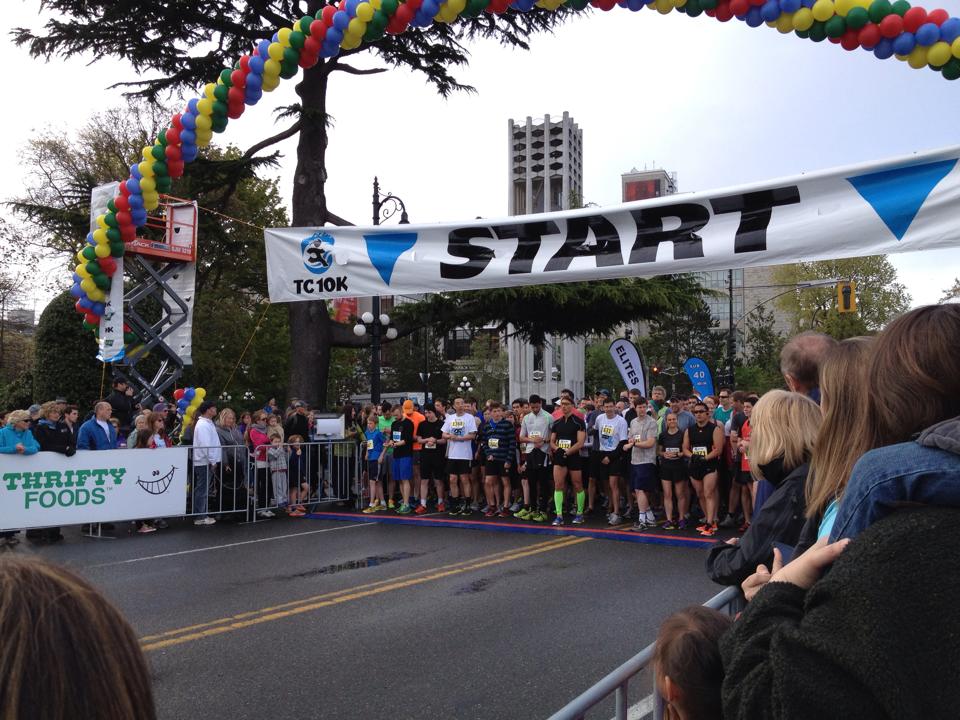
It wasn’t until many years later that Robbie would have the chance to redeem himself when his uncle suggested they sign up for a 10K road race on Vancouver Island. It was all the fuel he needed.
“Now I’ve got to beat my uncle,” he smiles.
Robbie set a plan in motion and hired his coach, Maurice. Over the next couple months, his uncle would check in to see how things were going, but Robbie wouldn’t let on that he was doing any sort of training.
“I was so diligent on my diet; I was diligent on everything.” he laughs.
When Robbie finally admitted he had been training and was going for a personal best time, his uncle was “blown away.” Robbie had won the race before it even began.
On race day, Robbie not only beat his uncle, but he crossed the finish line in 41 minutes 39 seconds, which was one second faster than his goal, and more than three minutes faster than his previous personal best.
“It was then I realized how much I loved running,” he admits. “For me, running was never a racing thing.”
Robbie’s progression in running continued to take shape under the guidance of coaches and mentors as he worked diligently on his pacing, cadence, and form. His success would come from relentless dedication and commitment, and a little bit of help from those powerful bull-like legs that carried him from rugby runner to road runner. His story speaks of triumph, success, disappointment and redemption.
In the year after his 10K race, Robbie looked to his next challenge in the half-marathon, and eventually set his sights on the next big thing. He called up his coach, and said, “I’m thinking about doing a marathon.” Almost immediately, Maurice asked if he was going for a BQ. Chasing a qualifying spot for the highly-sought after Boston Marathon wasn’t something Robbie had even considered.
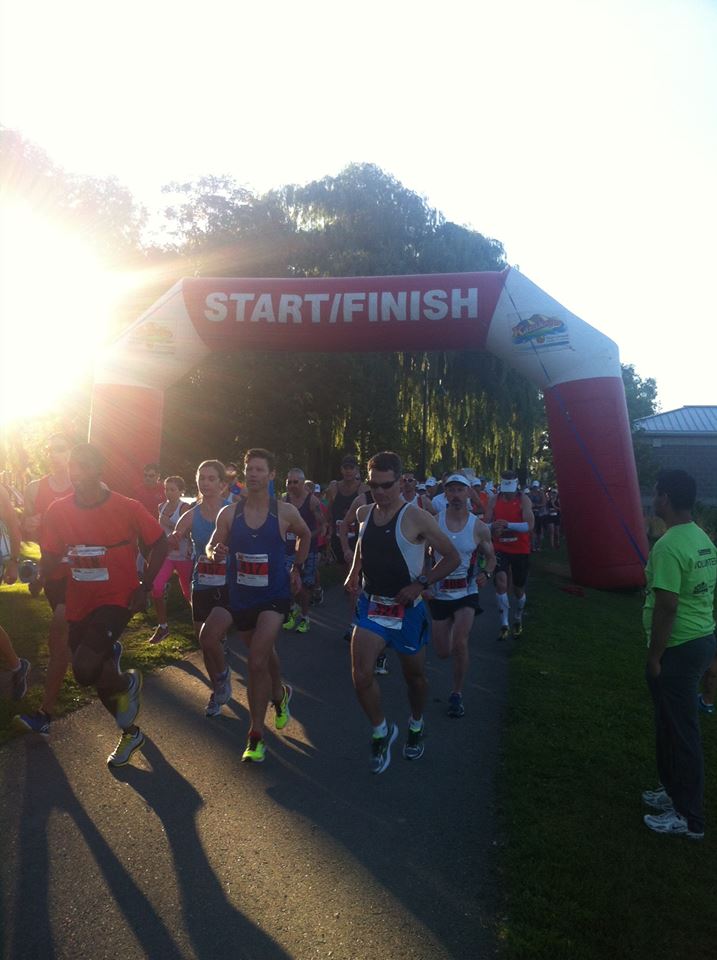
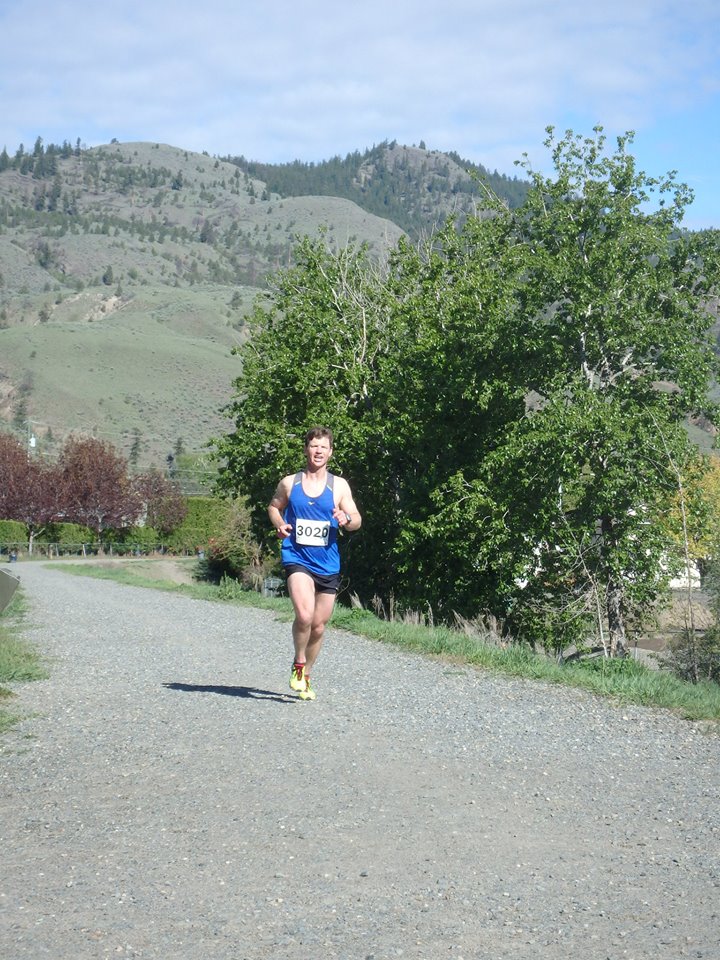
“Way deep down there somewhere far away, I was thinking that’d be good, but not a reality. He believed that I could, I didn’t,” Robbie admits.
Either way, he went for it.
In the following months, Robbie did what he had always done in training and remained diligent and committed. On July 27th, at a qualifying race in his hometown of Kamloops, B.C., Robbie set to the start line of his first marathon and crossed the finish in a time of 3:11:54 – 3 minutes 6 seconds under the Boston qualifying time for his age group.
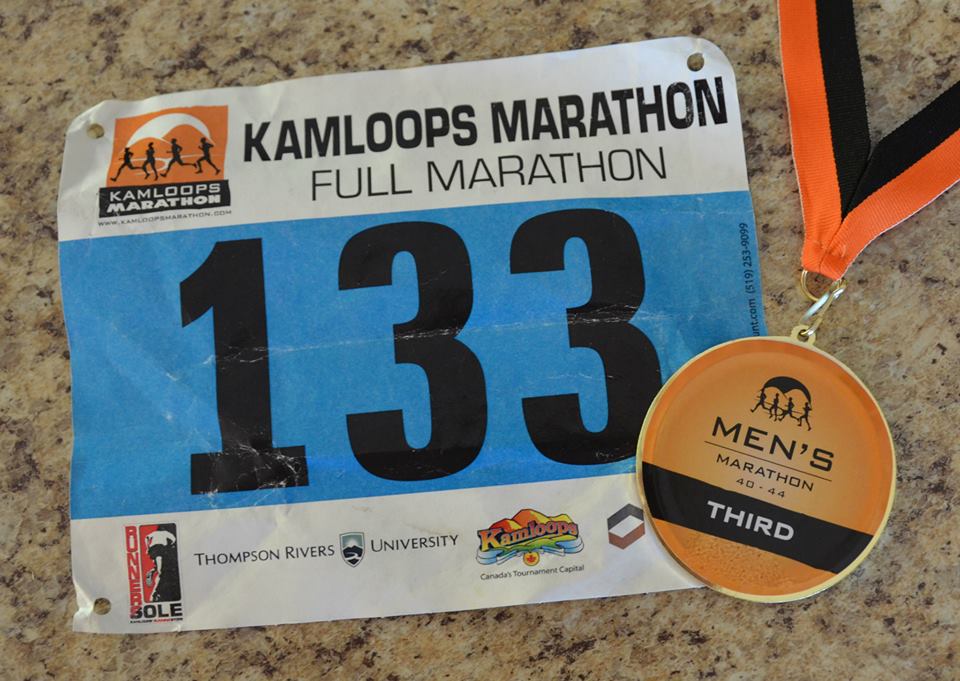
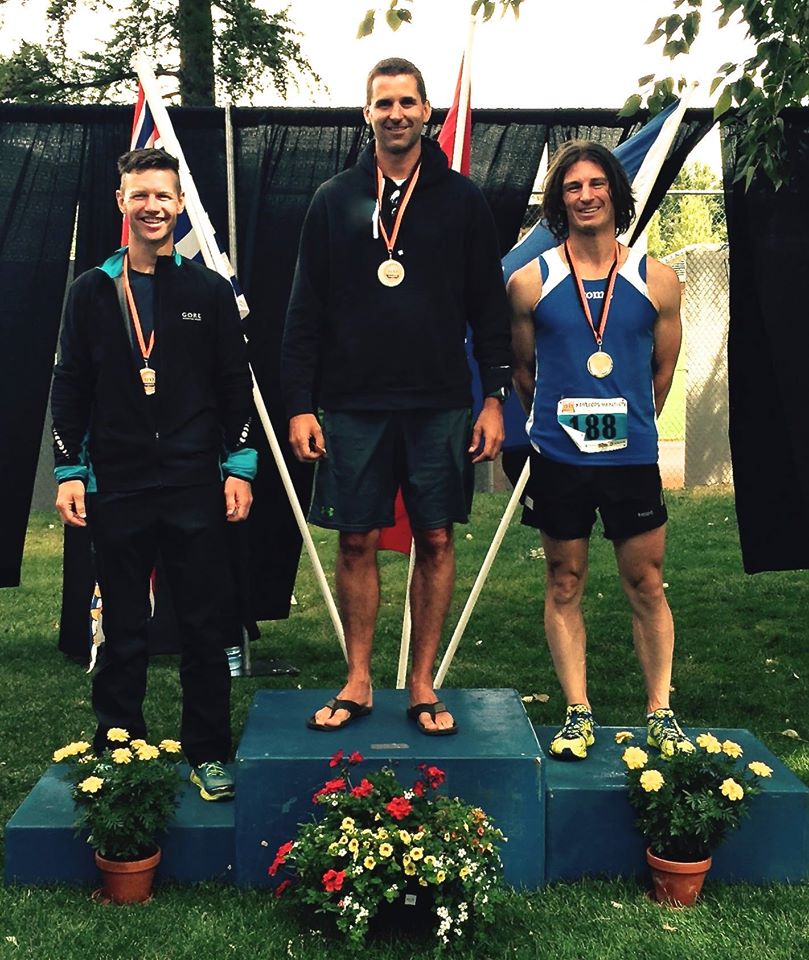
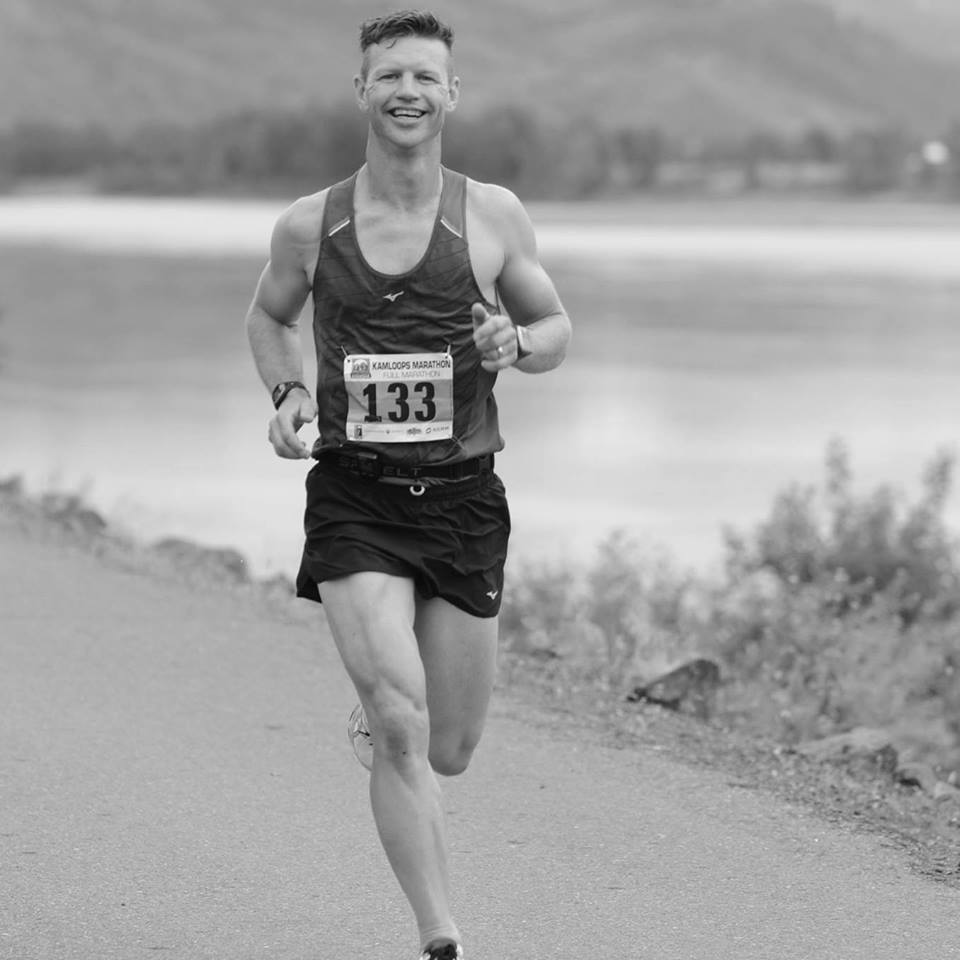
“I was super stoked and excited; the fact that I finished the thing and had a qualifying time,” he says.
Despite his time, Robbie still didn’t know if he was going to Boston. It would all depend on his competitor’s times at other qualifying races. Each year there are a limited number of spots per age group and if those spots fill up with times faster than Robbie’s, he would be out of luck. All he could do was wait.
“It’s like anything when you’re waiting for something, you’re kind of holding your breath,” he recalls.
Almost two months after his qualifying race, Robbie received the news he had been patiently waiting for – he got in.
“It’s just like a college acceptance letter; you’re so excited; you’re relieved. You’re in this head space where you can breathe and you know it’s reality. You’re excited, but you don’t go ‘wahoo!’ It’s relief,” he says.
The final cut-off time was 3:12:30. Robbie had slipped in by 36 seconds.
“The best thing about that time is I went out and I studied that course. You want to run the tangents; you want to take the straightest possible route. I ran that race perfect to the tangents, and had I not, I could have run longer and missed the cut-off time,” he admits.
Once Robbie had officially registered and reserved his spot in Boston, he had almost seven months until race day. There was time for a short break, but determined to improve his time, Robbie quickly got back to training on his own. In the month of December, he set out on a run challenge after being motivated by his friend, Wayne, who ran 400 kilometres in December the previous year.
“I just ran every moment I had the opportunity. If I could run at night, I would run at night and it was always dark and cold. I ran every lunch at 45 minutes,” he recalls. “And then sometimes I would run at 5:00 a.m. and go for an hour and come home. So I was just putting in as any miles as I possibly could.”
In that same month, Wayne was also back to putting in the miles, and the two of them would watch each other’s stats as they posted to Strava, each of them racking up the hours and the miles.
“I didn’t want to be in a challenge with Wayne; that’s a whole other league so I was like, this not a challenge I want to take on. But deep down I kind of wanted to,” he says.
Towards the end of the month, Robbie logged a 32 kilometre run and that was enough to put him over the edge.
“I got an email from Wayne saying his legs were done; you win,” he laughs.
That December, Robbie logged more than 400 kilometres, which equated to about 100 kilometres per week.
“I didn’t miss a day,” he says.
By January, Robbie had a solid fitness base and was back into a scheduled training program with his coach. Together they laid out the plan for race day and set a goal time of 3 hours 8 minutes. As race day drew closer and Robbie excelled in his workouts, Maurice decided he could push for 3:05 if there was a tailwind and 3:12 if there was a headwind.
Watching Robbie at the track in the days leading up to Boston, you could see a guy who was fit and ready. He looked strong, he looked fast, and he looked relaxed. As Robbie put it, his training was going “super awesome.”
On April 20th, 2015, Robbie lined up with thousands of others on the infamous Main Street for his first Boston Marathon experience. He was proudly sporting a Canadian singlet and ready to put all of those long training days to the test.
Robbie ran the first 10 kilometres of the race in perfect pacing hitting 45 minutes bang on. He admits though that his legs felt heavy.
“I wasn’t exhausted or tired but I just didn’t feel how I should have felt and it was downhill and I love downhill,” he says.
As per the plan, he was supposed to pick up his pacing, but soon realized he would not be able to sustain it, so he settled back a bit and hoped maybe he would have a kick at the end.
He crossed the half-way point at 1 hour 36 minutes, which was about one minute off of where he should have been. Robbie says he knew in that moment he had to go for it, or it wasn’t going to happen. Within the next five to six kilometres, he says his quad went into spasms and then he felt a pull in his hamstring. Despite trying to stretch it out, Robbie knew his race plan was over and his goal time was out the window. In that same moment, he made the decision to turn over his watch, rip off his pacing tape, and just enjoy the Boston Marathon for what is was.
“People are cheering everywhere you go. It’s just a crowd on both sides of the streets the whole 42 kilometres,” he recalls. “People are BBQ’ing, giving out water bottles, cut-up oranges, and bananas. There was always somebody cheering the whole way. You never forget you’re in a race. It’s so liberating.”
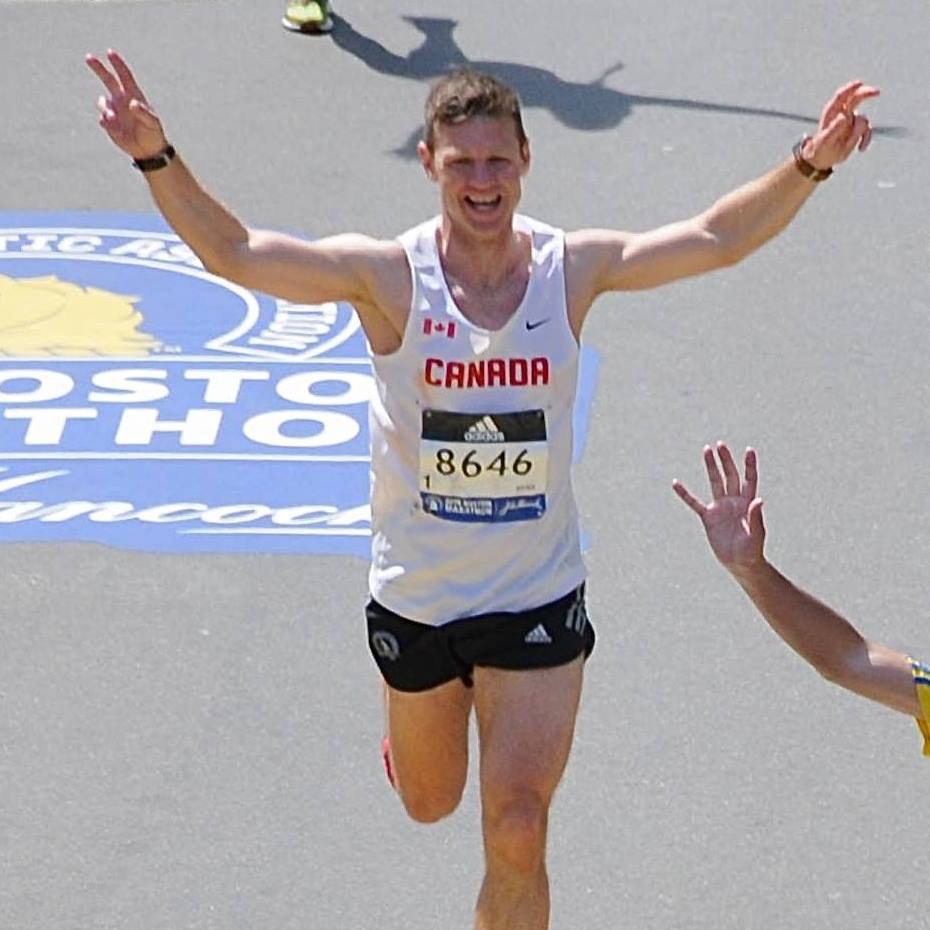
Robbie admits that for the last 15 kilometres he was in some serious pain, but he allowed himself to enjoy the moment and take it all in. At the final aid station, he grabbed some water, wiped his face, and readied himself for the finish chute. He says that he didn’t want to walk through the end and wanted to make sure he had something left in the tank so he could run.
Robbie may not have achieved his goal for the day, but his finish line photo paints a picture of a winner; smiling and celebrating.
After the race, Robbie says he found a nearby park to eat and relax. He also picked up the phone and called someone he knew was closely following along his journey that day.
“This all started because of a stupid email from my uncle saying he wanted to do a race,” he laughs. “I knew he would be watching me online, so I wanted to call him right away.”
In the moment, Robbie recalls “riding a high” immediately following his race and it wasn’t until the next day that he started to feel some resentment towards his race and time. He was disappointed in his performance.
“I sound really competitive, but I’m not. I don’t race against others when I’m in a race,” he says. “I’m highly competitive with me.”
When I asked Robbie if he’d ever go back to Boston, he paused for a moment. “The feeling I’m getting says, no, but maybe if someone else got in, I might want to, that would be fun…” he trails off.
Boston may not be in the cards again for Robbie, but he admits he has unfinished business, including a sub 40 minute 10K and a sub 1:30 half-marathon. Of course too, he will continue to chase that sub 3:10 time in the marathon with the same diligence and commitment he’s had since that first 10K.
 The first year, I was inexperienced and naive, and I bonked with 52 kilometres left in the ride. I think I best summarized it when I said, “It kicked my ass.” I remember when I reached the summit of Cardiac Hill – the final steep climb just beyond the 180 kilometre mark – I collapsed off the bike with neither the energy nor the care to un-clip from my pedals. My training partner, Vince, captured the perfect image of me sitting halfway in a ditch on the side of the road with defeat exuding from every inch of my body.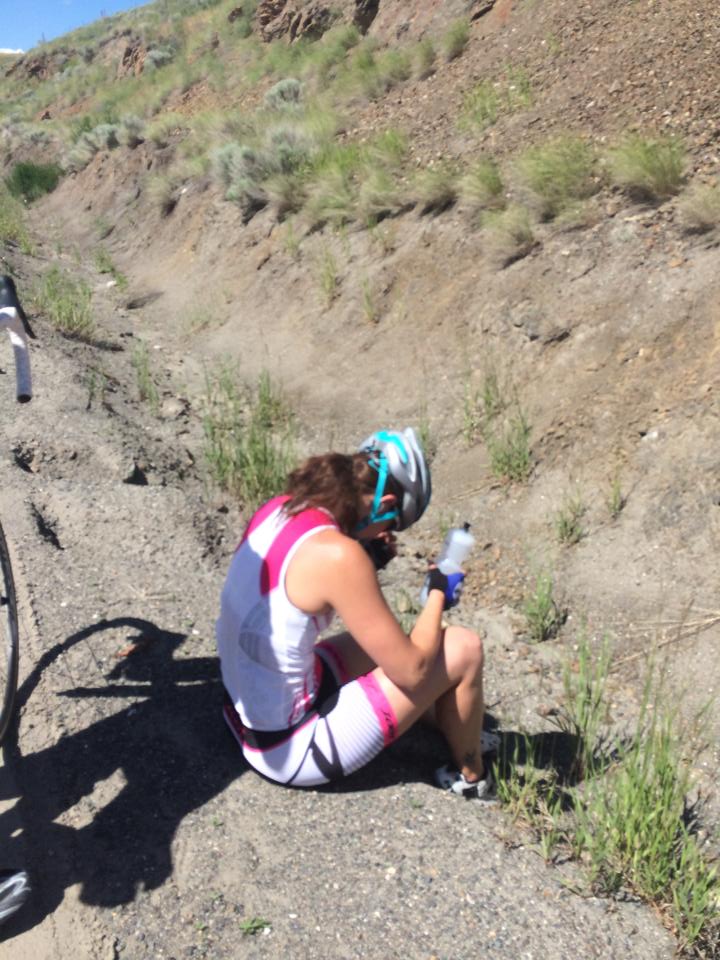
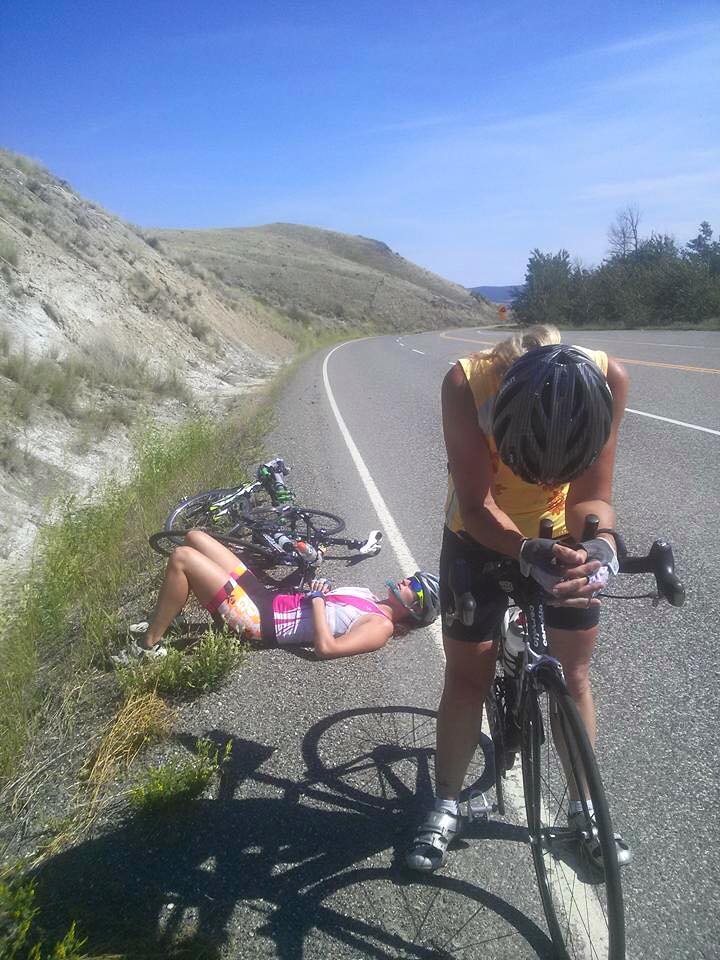 While I’ve been able to finish every Merritt Loop, I have not yet been able complete the 45 minute brick run afterwards or reach my goal of riding 200 kilometres. While the complete loop from start to finish is a few kilometres shy of 200K, it has always been my goal to put in the extra time to get to that number. In 2014, I was short 4.4 kilometres, and in 2015, it was just 700 metres! There was nothing left in me that could pedal another rotation.
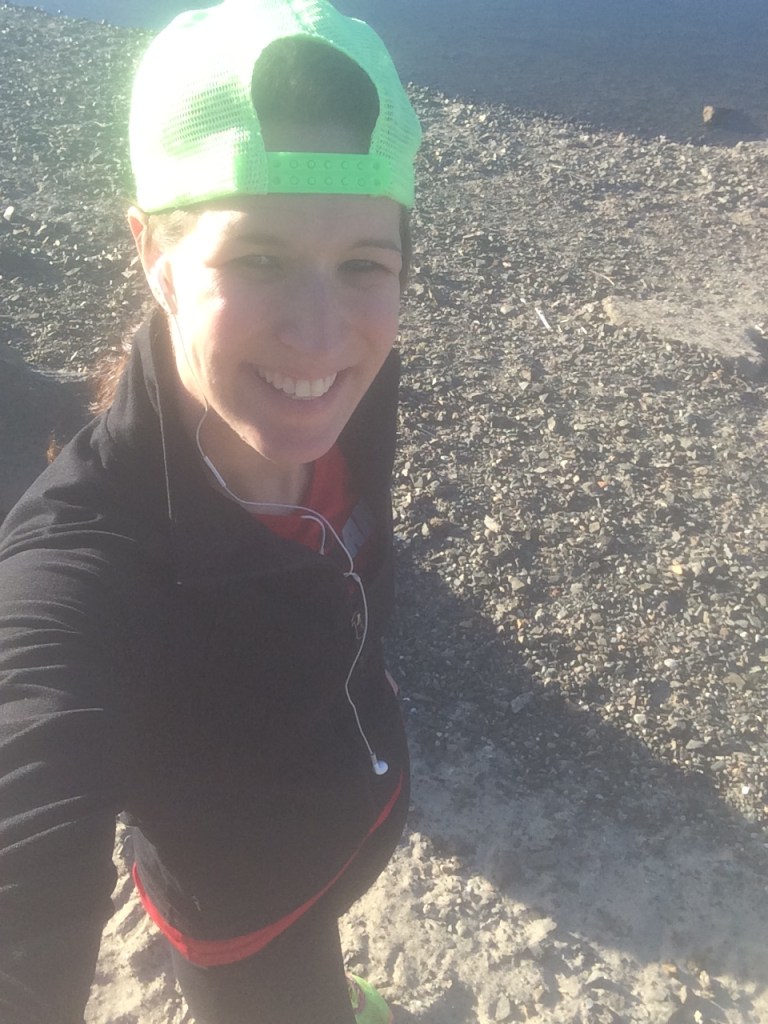
 As a middle of the pack cyclist amongst my group, I have been finding myself alone lately for most of the run and bike workouts. And, the Merritt Loop was no different; I was left alone with my thoughts and a long, lonely stretch of road. This year, unlike every other year, it was cold. My fingers were frozen and at times my teeth chattered against one another. Strong headwinds and rain on the other side of Logan Lake made the ride challenging and, at times, made me question myself. “Why do I like to be tortured? Why does anyone do Ironman? Why am I riding my bicycle in the middle of nowhere, by myself?” At times, I was happy and would sing songs about my granola bar, or my Gatorade, or the rain, or the number 60. At one point, when I couldn’t feel my fingers and all I could hear was the howling wind blowing past my frigid ears, I yelled curse words and cried. The best parts were when I smiled and laughed out loud. You could call me manic, but I think that’s just par for the course. Eight hours is a long time to be alone on your bike with nothing but your own thoughts. The true victory of the day though, was taking a selfie standing tall, proud and strong with a wide smile on my face at the top of Cardiac Hill. The picture that day was not of defeat, but success. I also, put in the extra 5 kilometres to get to 200K, and finished my brick run. For the first time, I had succeeded. It took smart planning, experience and a business-like attitude of just getting it done.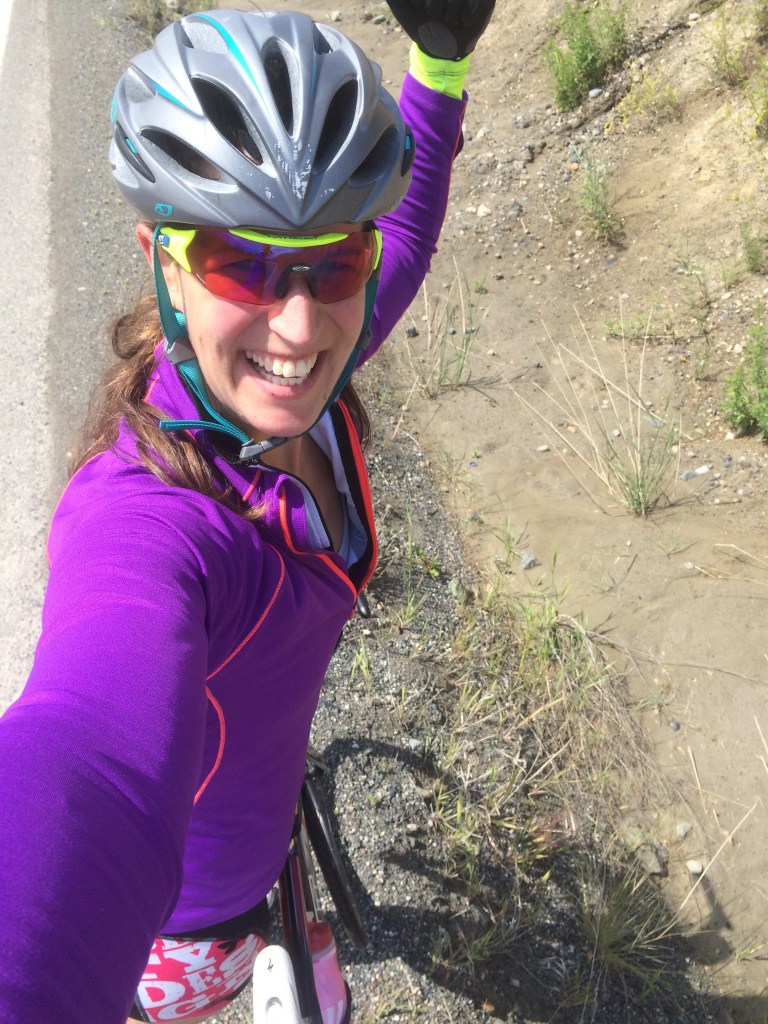
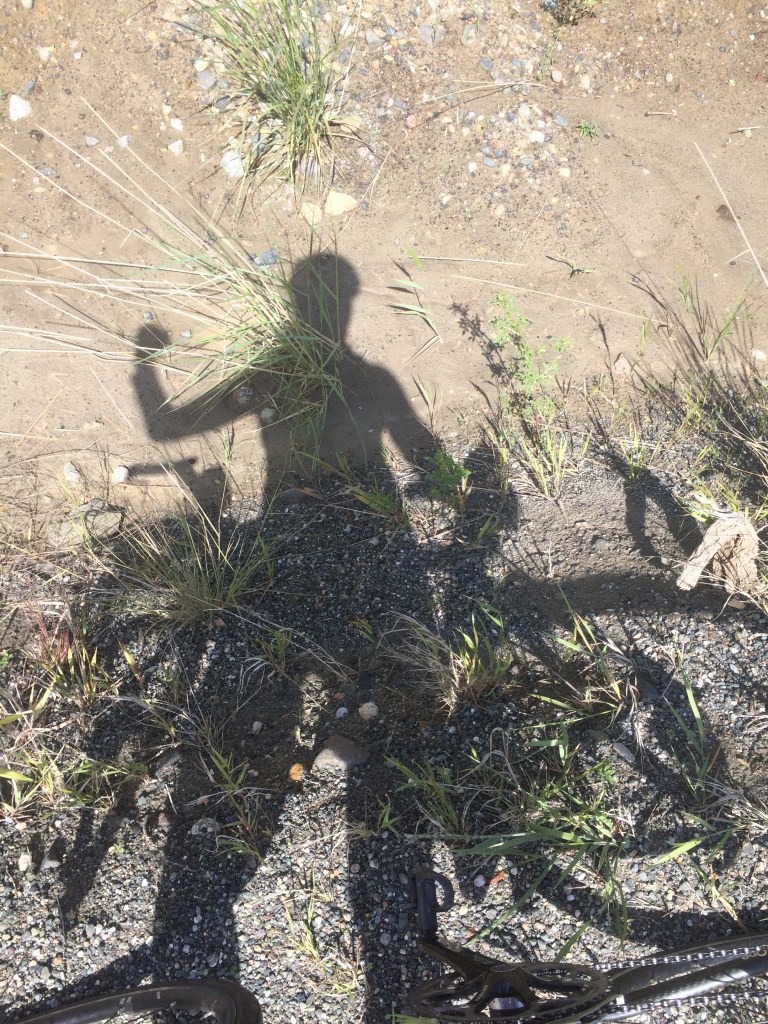 In previous years, the Merritt Loop has defeated me to the point where I was forced to take the following two days off from training. This year, success meant the work was not over on Sunday evening. It meant I still had two more big workouts the following day – a gruelling set of 9X400 metres in the pool and a 26 kilometre run with tempo. I was already in pain from head to toe; it would take every ounce of physical and mental prowess I had to keep going.
 Three years ago, I made a vow to change my life, to move on from the things that weren’t making me happy, to take on a challenge and live life every day with purpose. That plan didn’t include walking through life in comfort. The plan was to push beyond my limits. I’ve done that in more ways than one. This past weekend is a testament to that, and although it’s not all sunshine and rainbows, it’s making me stronger, faster and in the end, a happier human being.
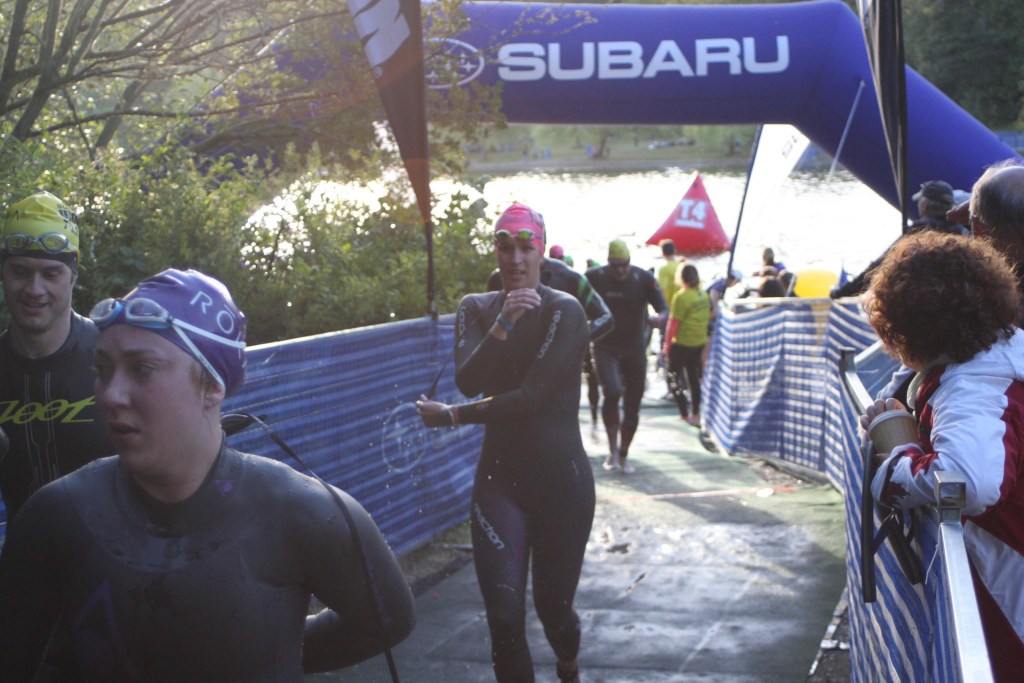
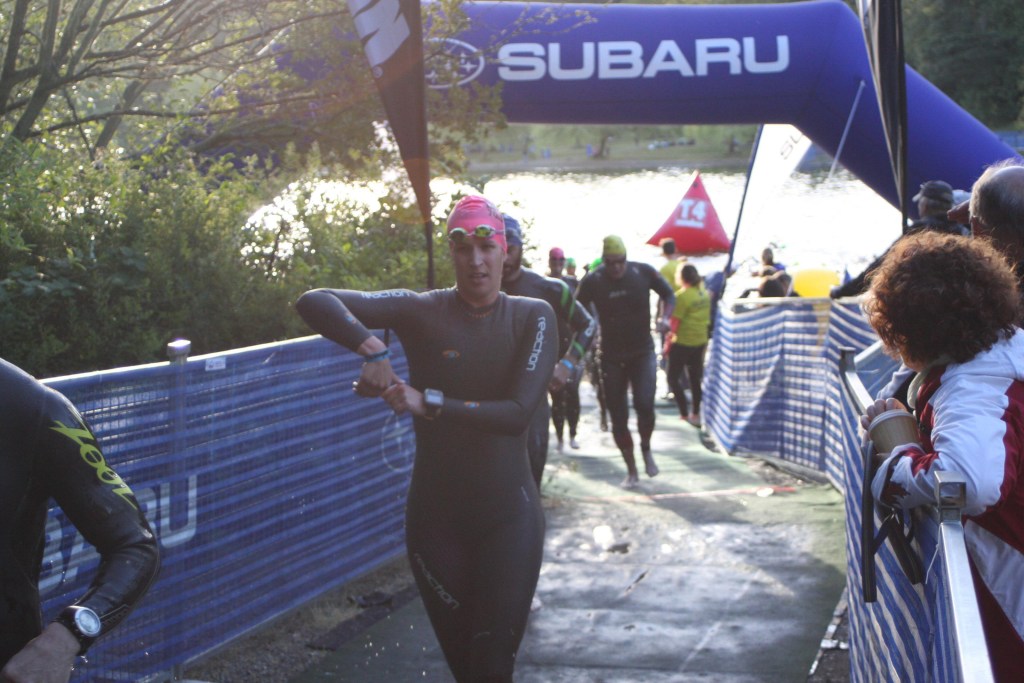 With my shoes on, I threw on my sunglasses and grabbed for my helmet. Yet, to my frantic shock it would not fit onto my head. Here is an example of where experience is a good teacher. If you’re going to try a new hair style the night before the race, make sure your helmet still fits properly. My thick braided hair was preventing the helmet from fitting on my head. I pride myself on being fast in transition – playing with my hair was not conducive to being fast. As I tried to slam it onto my head, my glasses became dislodged and hung around my mouth. I made the quick decision to hurl the sunglasses at the ground, and go with however the helmet was going to sit. Then, as I pulled my bike off the rack, my brake lever got stuck in the spokes of the bike next to me. I thought, that’s it, I’m never getting out of here. I heaved on the bike, trying not to destroy my neighbour’s bike or mine, and finally freedom. As I got on the bike with my helmet half way down my forehead and almost down to my eyes, I took two deep breaths and tried to shake the jitters.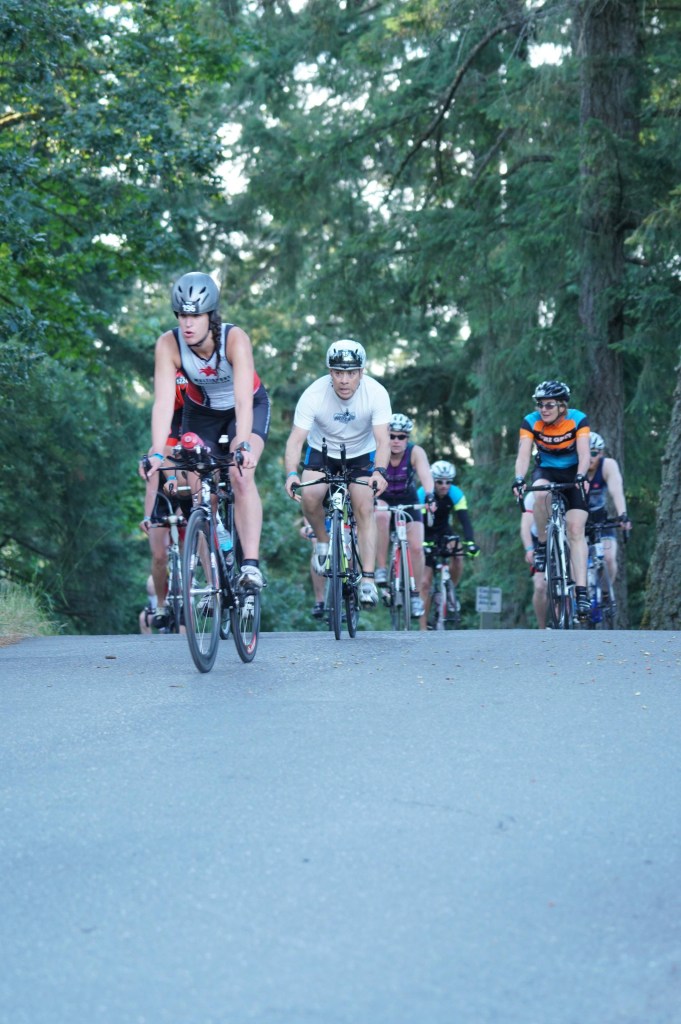
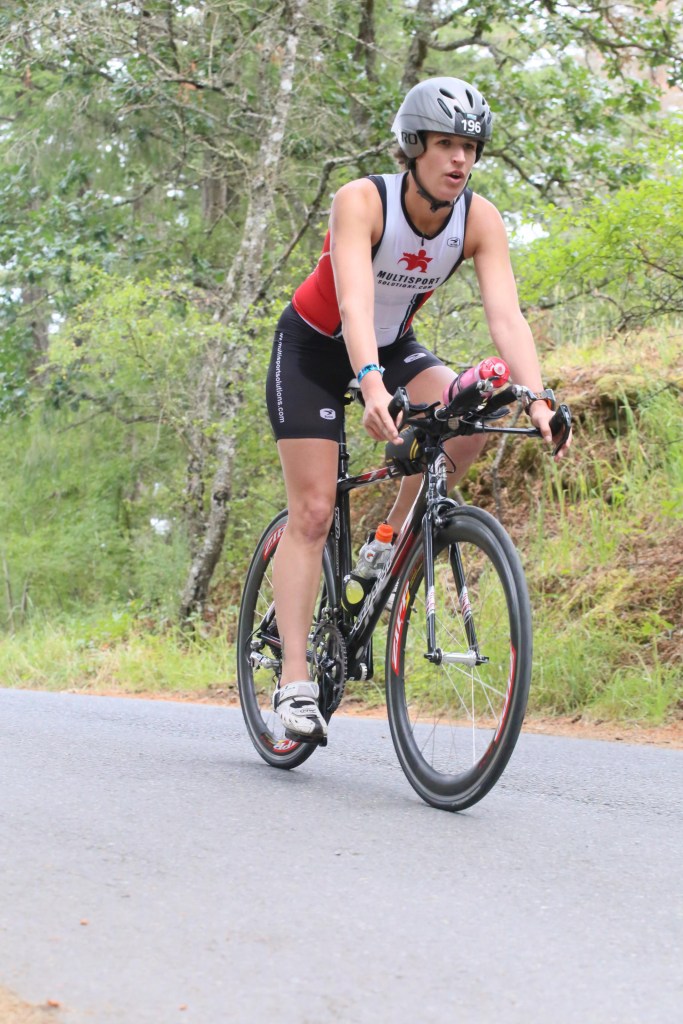 The first half of the bike was spectacular with great winding descents and flat sections perfect for tucking into TT and settling into a fast pace. The second half of the course presented a bit of climbing, although it was nothing my training hadn’t prepared me for. It was at about the 60K mark though, when I was presented with a bit of a challenge, grabbing a bottle at an aid station. Ordinarily, this should be a simple and routine part of racing, but after my spectacular crash at Ironman Canada last year at an aid station, there was a bit of hesitation. Another moment in which experience has taught me a good lesson – be decisive, slow down and, for god’s sakes, do not reach across your bike to grab a bottle. As I looked down at my two empty water bottles I realized it was time to conquer my fears. Almost 50 metres out, I start yelling for Gatorade, then I slowly pulled up on the brake levers until I slowed to almost a turtle’s pace, took a deep breath, and reached out with my right, not left, arm to grab the bottle. A slight nervous wobble and I was on my way. I don’t care how many seconds or minutes I lost while taking the time to think and slow down, crashing is much, much worse.
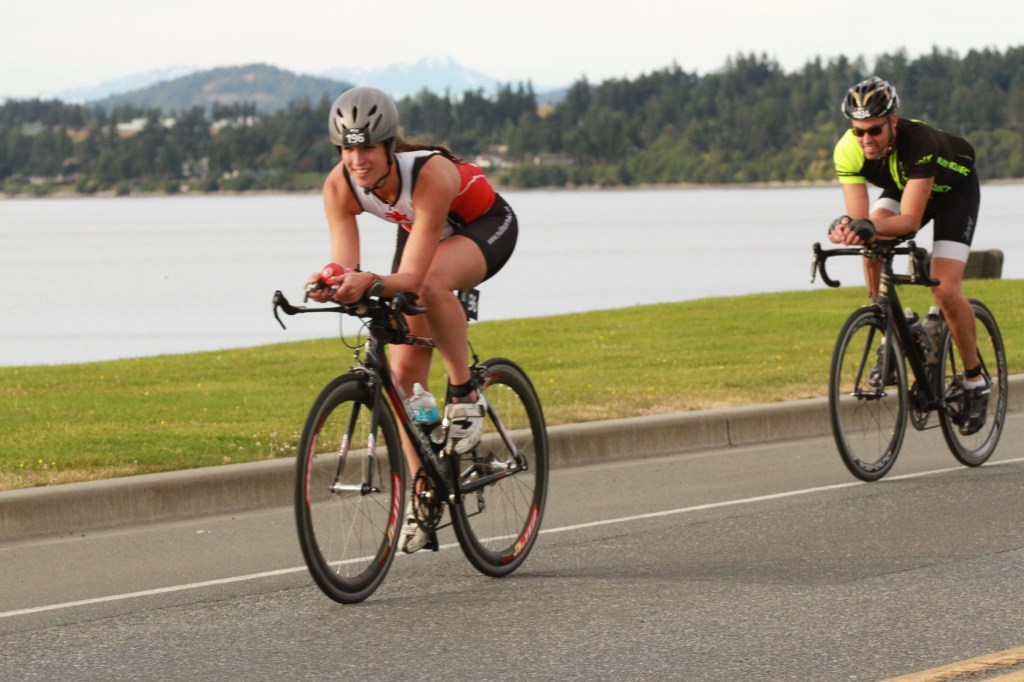 After aid station success, I could get back to focusing on the final kilometres and getting back to transition and back to my own two feet. As much as I love to ride my bike, I’m always grateful to no longer have to overthink the possibility of crashing, mechanical failures or flat tires. And after 90K in the saddle, my lady parts are also grateful.
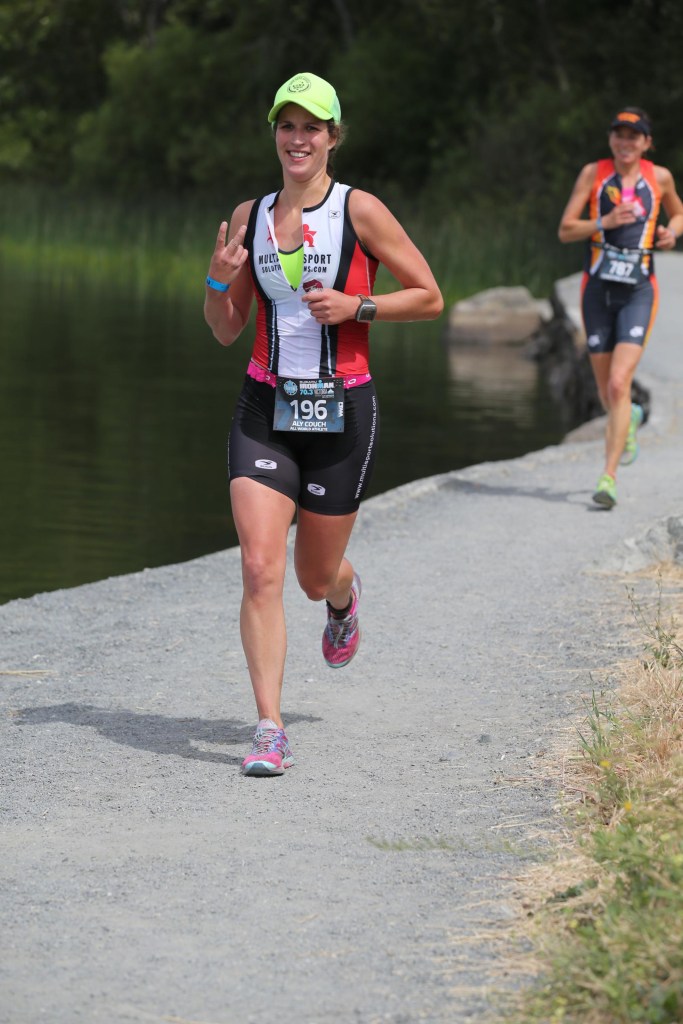 Heading out onto the run I had an incredible kick in my step – I was ready to move. For the next 14K, my pace was dialed in, and I relished in the quiet peacefulness of the trail – it was the perfect setting for some suffering. Gradually heaviness set into my legs, my breathing and heart rate went up, and I could feel those dreaded blisters forming on my toes. With about 4 or 5 kilometres to go I saw my coach, and I never thought I would be so grateful; I needed him to yell something at me, anything to get me moving with purpose again. “Bob is a minute ahead of you,” he yelled. “Go get him!” It was all I needed. Experience has also taught me that pain is just a feeling. Pushing through the pain and finding your beast mode is one of the most rewarding parts of training and racing. I may not have looked graceful, I may have sounded like a dying donkey, but I was determined to catch Bob. At the out-and-back turn-around I saw him, but I would really have to turn on the engines to catch him. The kick may have come too late.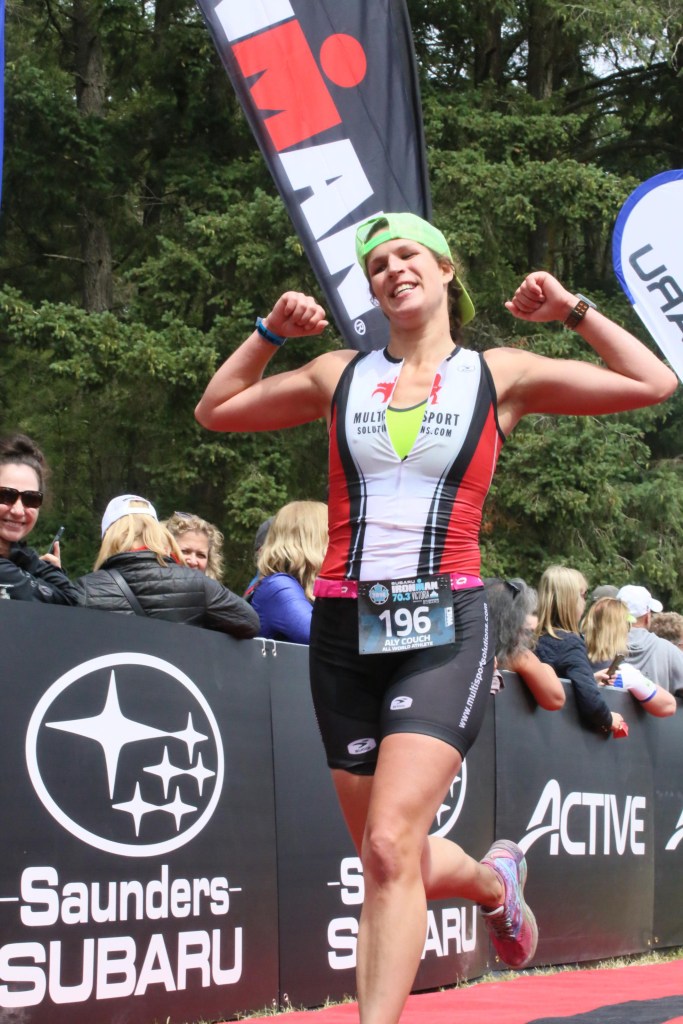
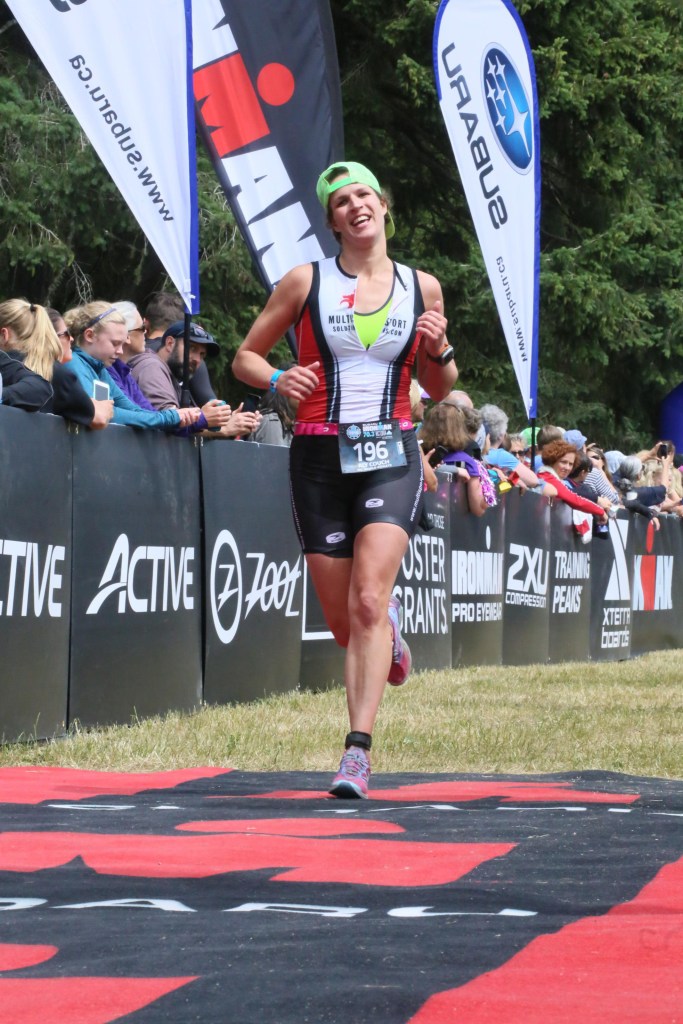
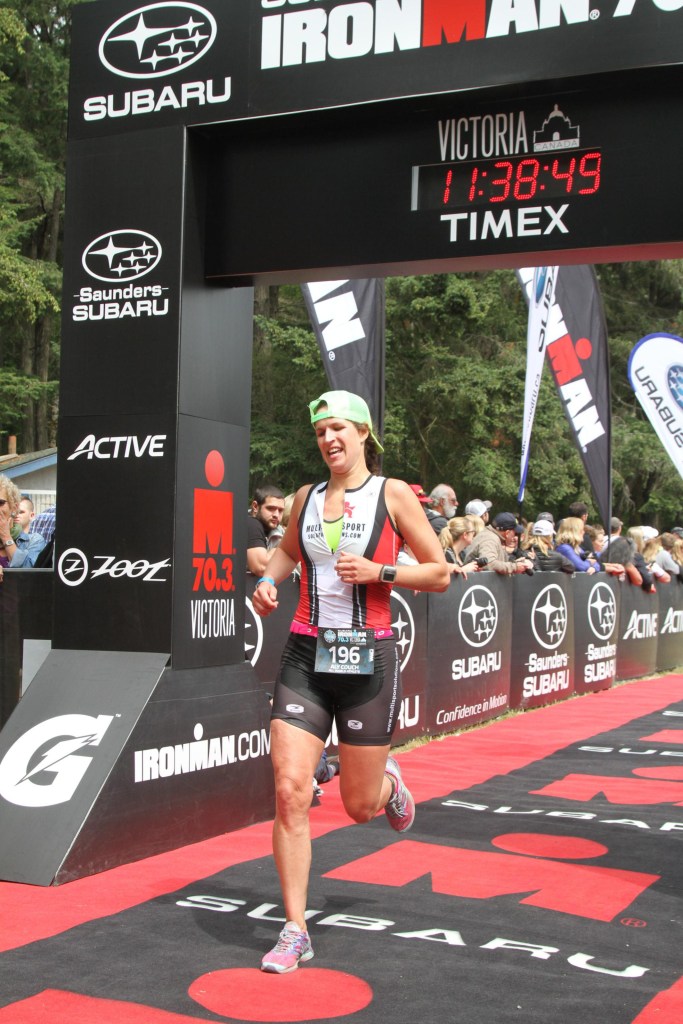 Looking back on the past six months, I see a journey that has, for the first time, not been overshadowed by illness or injury. I see a journey of dedication and hard work where I could focus on getting better and faster every week without interruption. I got to pour my heart and soul into this season by facing different challenges and breaking through my own limitations. And it all paid off with a 45 minute PB over last year. Although, I missed catching Bob by 30 seconds, I did knock 30 minutes off the run, five minutes off my bike, and 16 minutes off my swim (although it was 400 metres shorter).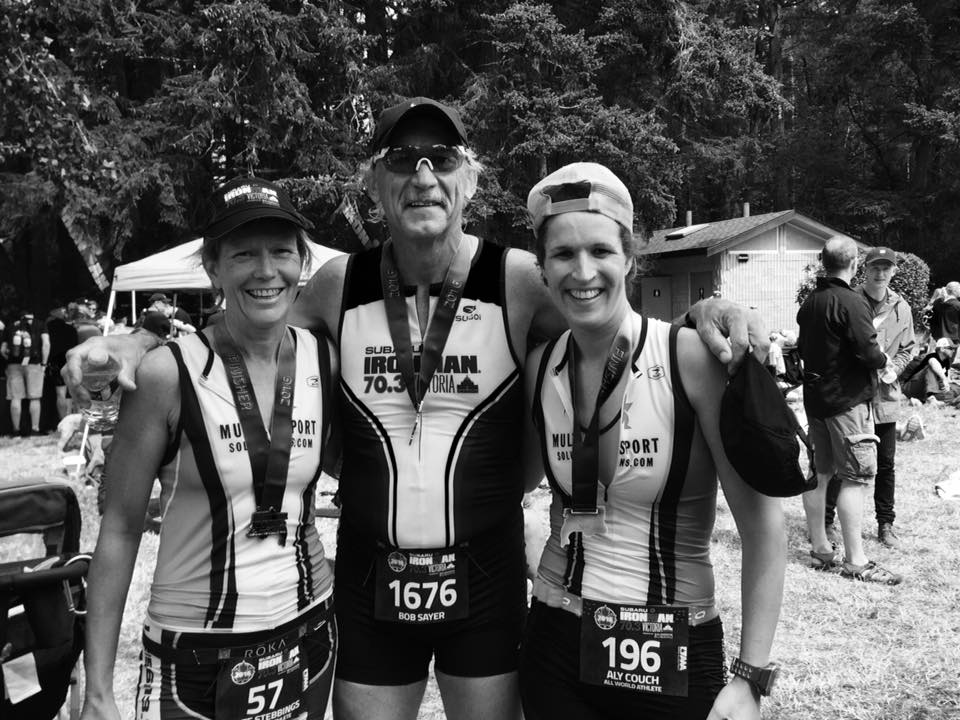
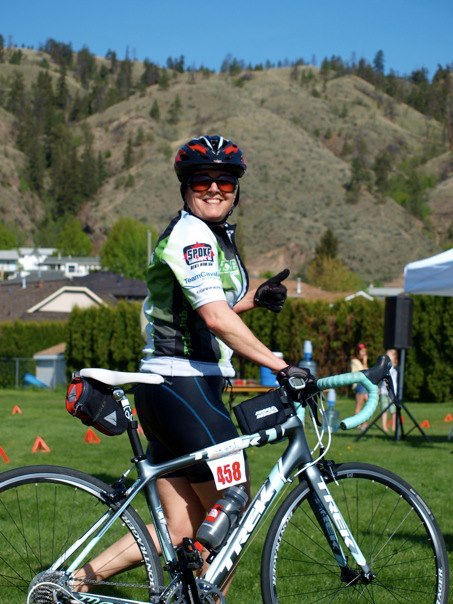
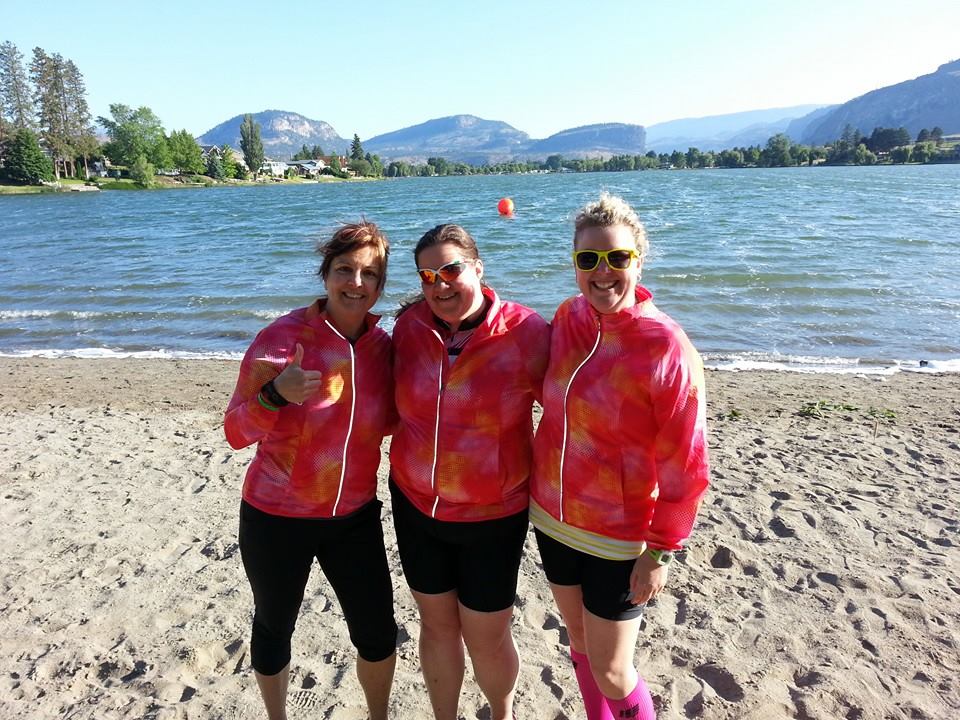 In 2015, after spending a year of supporting her husband, Vince, in his journey to Ironman Canada, Katrina decided she was ready to step out of her comfort zone bigger than she ever had before, and signed on the dotted line for the half Ironman race in Victoria, B.C.
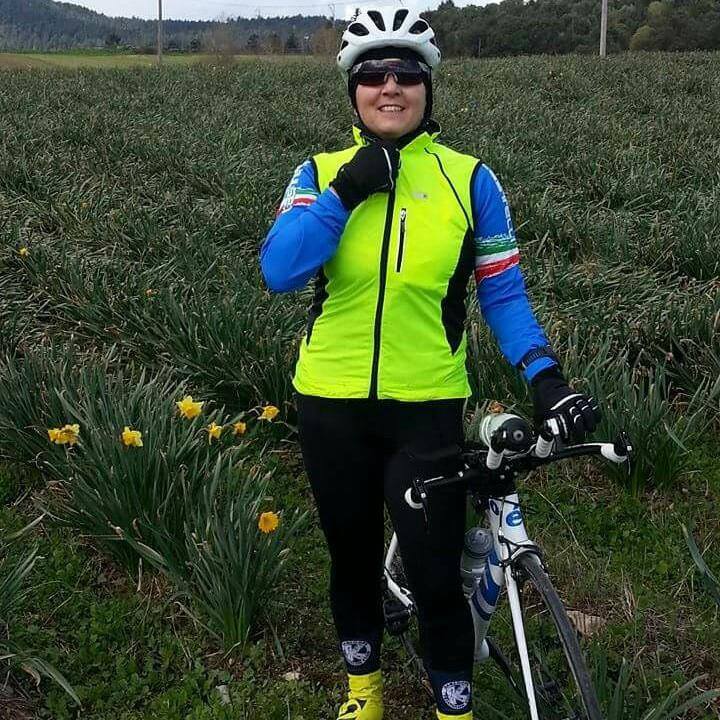 Katrina was physically and mentally in a prime place to begin her journey, but it was just a couple short months later when she would be hit with her biggest challenge yet. During an interval training run Katrina suddenly felt a “weird” popping sensation deep in her ankle. At the time though, she didn’t think too much of it and continued running. “I was trying not to be a wimp. I knew everyone was dealing with their own injuries,” she says. But the pain was worsening and swelling started to hinder the movement of her ankle. Stubborn and determined to keep on track, Katrina continued to ignore her injury for the next three to four weeks until her coach finally ordered her off to the doctor. Admittedly, Katrina says she made the mistake of not acknowledging it soon enough. For the next two months, she would bounce around from doctor to doctor trying to determine her prognosis. She would also spend many hours in the pool water running. “It was frustrating because you’re watching everyone improve on their running, and you’re driving to go water run by yourself in the pool,” she says. “I had worked so hard to get where I was, but it could always be worse. You just move forward.”
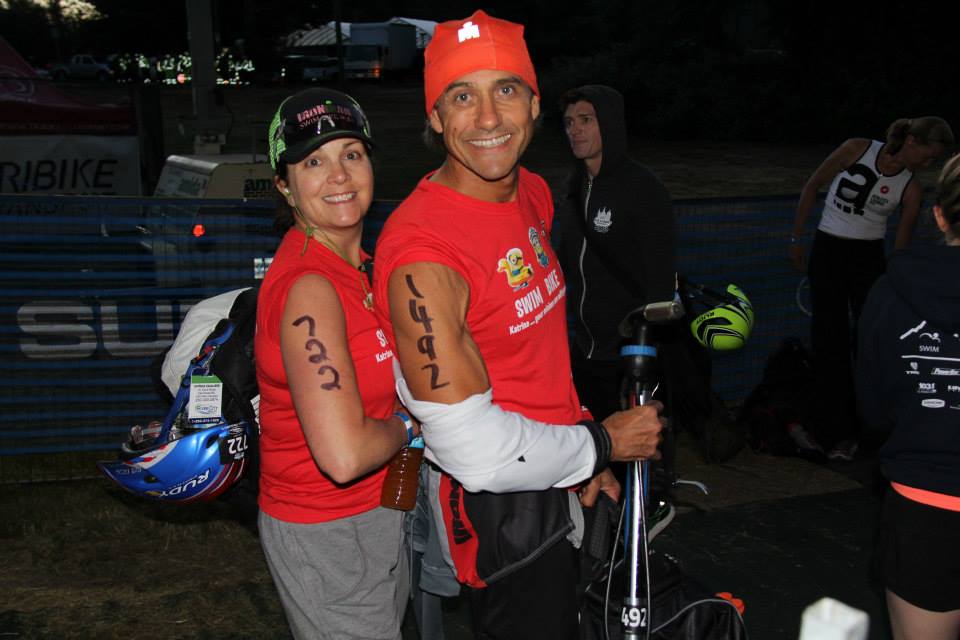 “Once the gun went off, I was calm. I couldn’t believe how calm I was. I thought, I can do this, I can swim.” Katrina settled into her rhythm and made it back to shore in a time that would position her well for the start of the bike. But it was not long after that when she heard the dreaded “pop” sound from her tire. She had a flat and it would be more than 20 minutes until she was back on course again. “I had practiced changing a tire once before,” she admits. “It was so hard watching everyone else ride by as time ticked on.” But Katrina did what she has done since day one of her journey and forged on, never willing to give up. As she approached the bike dismount line, she recalls being happy to be off her bike and back on her own two feet, but it also meant she was in for 21 kilometres of pounding on her injured ankle.
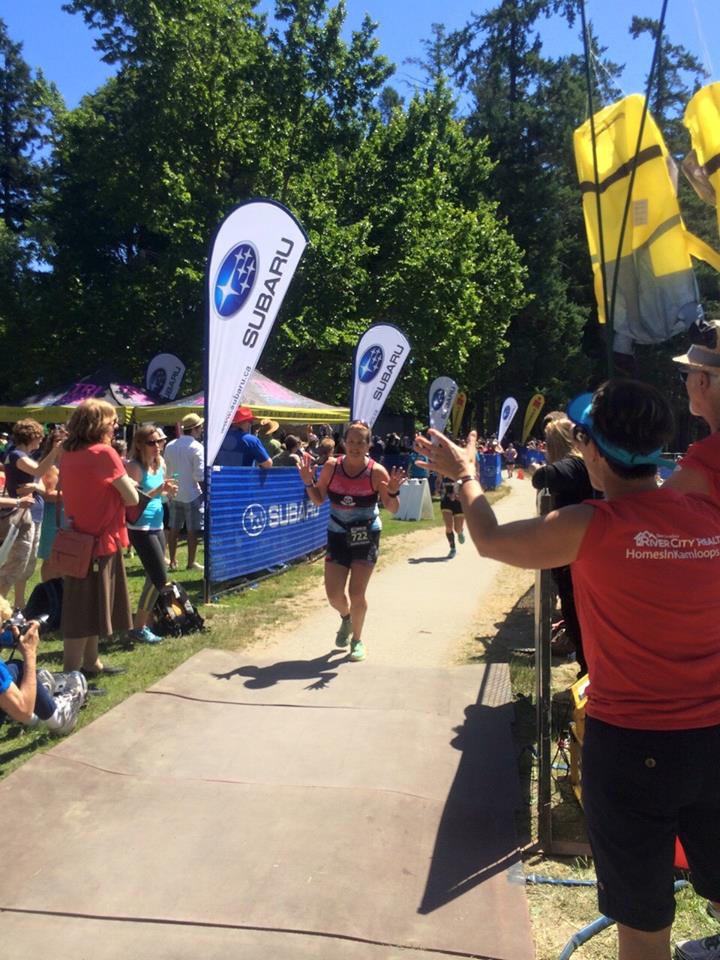 “By about 11 kilometres my ankle was throbbing,” she recalls. “The swelling had gone up so much that the tape was digging into my foot.” Katrina was forced to a walk. In her mind, she battled with knowing she was losing time, but it was all she could do to keep moving forward, one step at a time. “The last 5K hurt. My ankle wasn’t moving anymore and the swelling continued to get worse,” she says. As Katrina tried to compensate for the pain, other parts of her body felt the shift and become aggravated. She could feel it from her hips to her toes. Still though, Katrina wasn’t stopping for anything. “I wouldn’t stop, unless it broke, even then I would have crawled across the finish line,” she laughs.
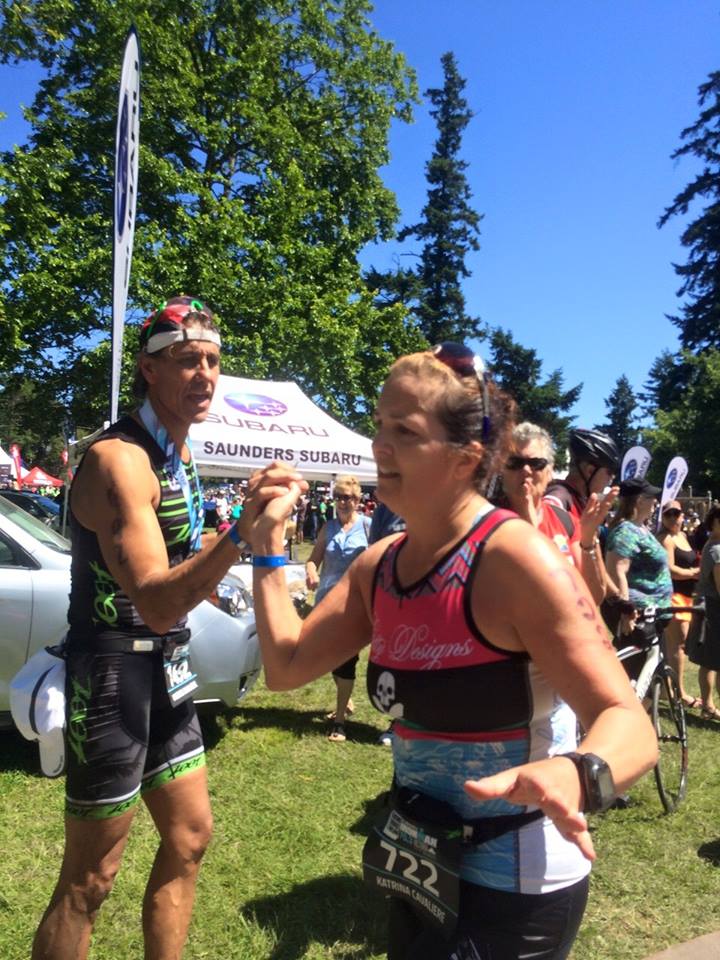 With less than one kilometre to go, Katrina mustered everything she had to turn up her cadence for the finish line. This was the moment she had worked so hard for, and in that moment, she was just grateful not to be dragging herself towards the finish. “I remember seeing the red carpet and I saw my friends, and my mom waiting to give me my medal,” she recalls. “And then I looked up and I’m like, oh my god, I’m done.”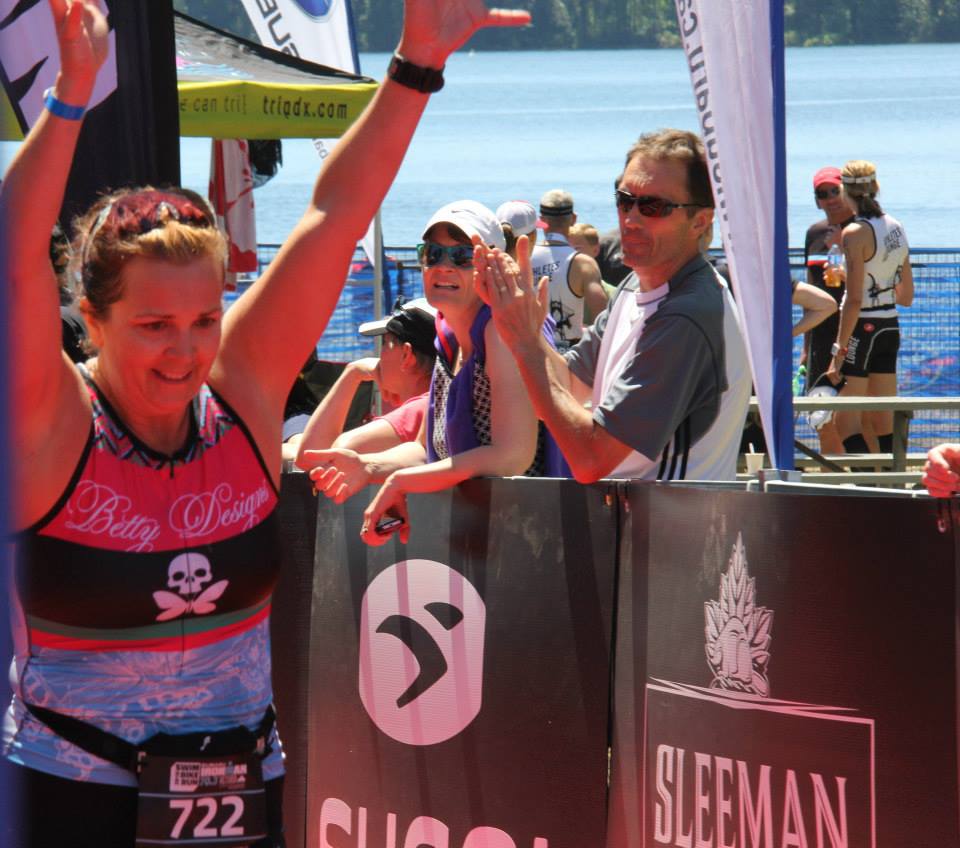
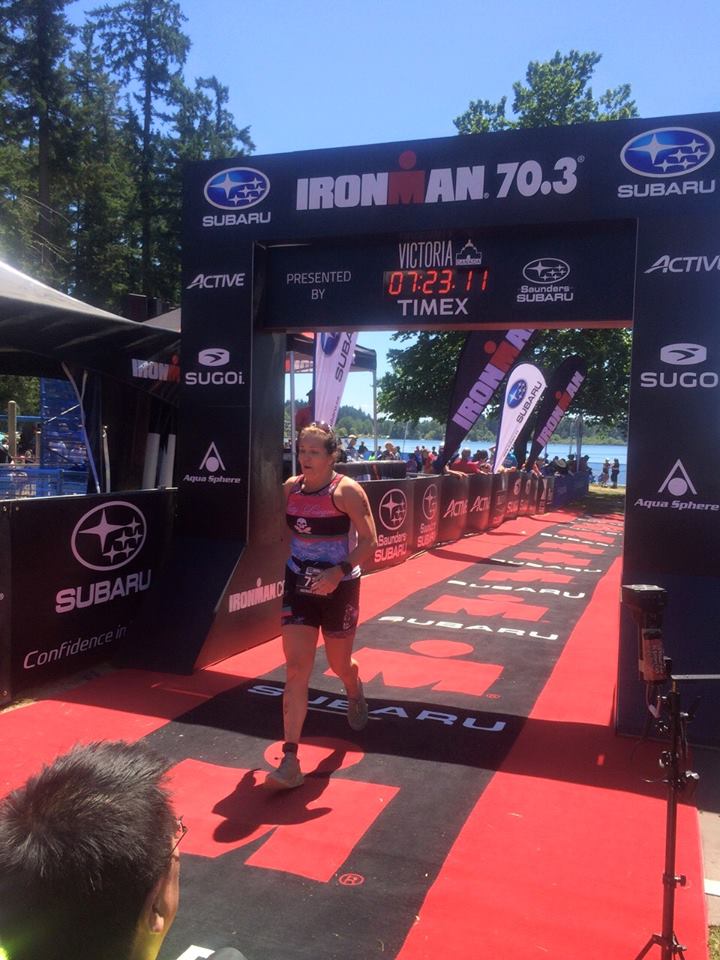
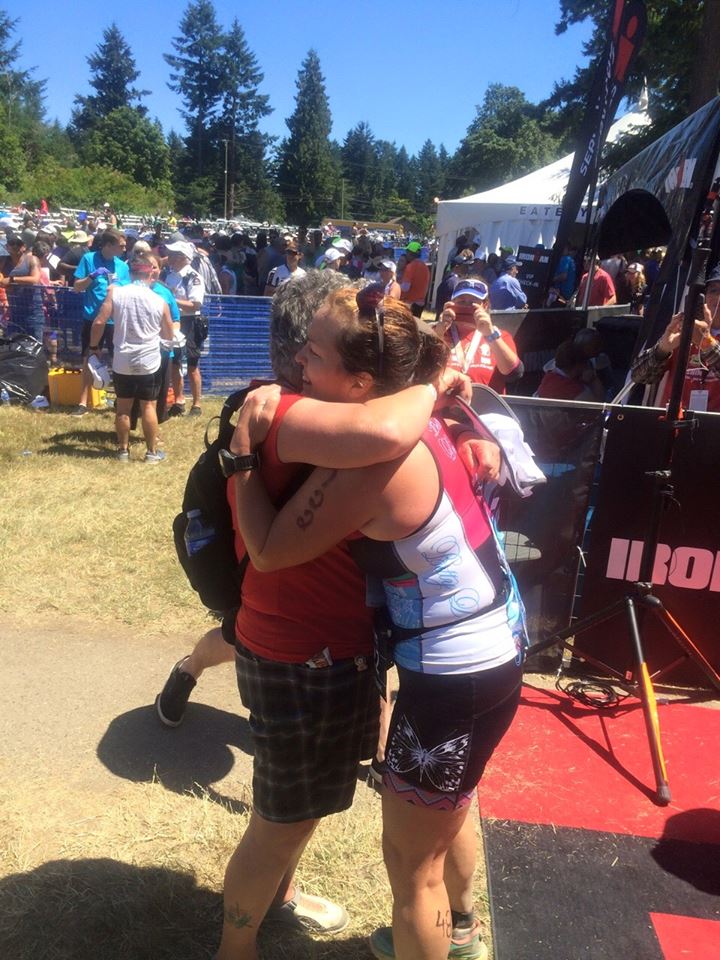 Katrina finished her race in a time of 6 hours 56 minutes, and with a smile on her face. “This was me doing something at 48 years-old; it took me a long time to believe in myself,” she says. “But it doesn’t matter how old you are, you can still try something different and push yourself.”
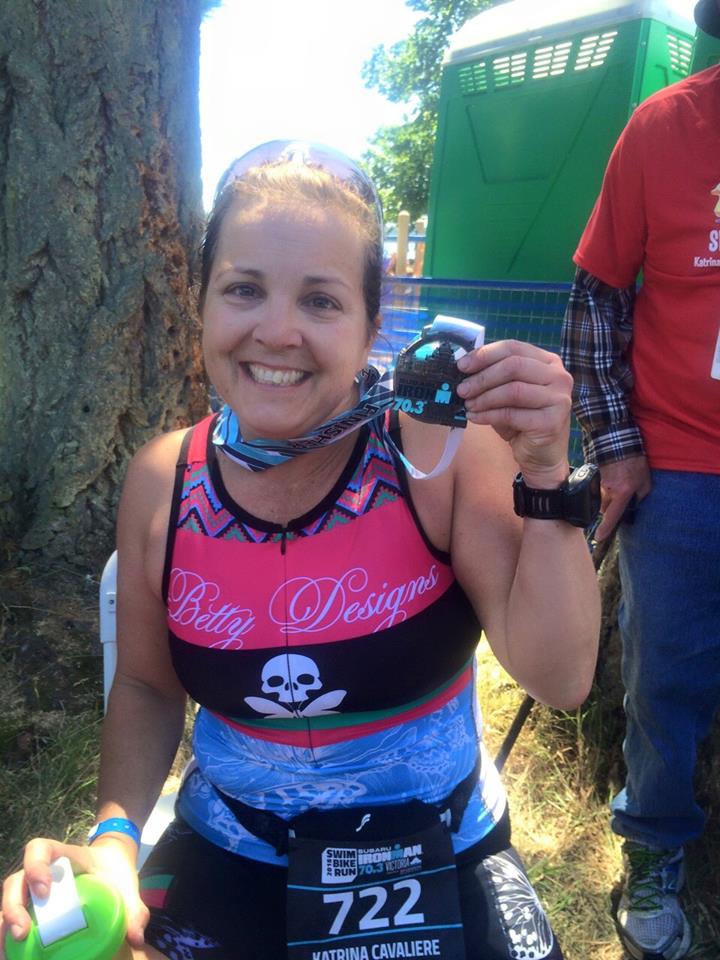 Katrina credits the sport of triathlon for pushing her from the sidelines to being a competitor and an athlete. The fire that burns in her eyes during every workout comes from a place of determination and a place of knowing she is stronger both mentally and physically than ever before in her life.
 Rust2Iron